
Roaring for Survival: Conserving India's Majestic Bengal Tiger
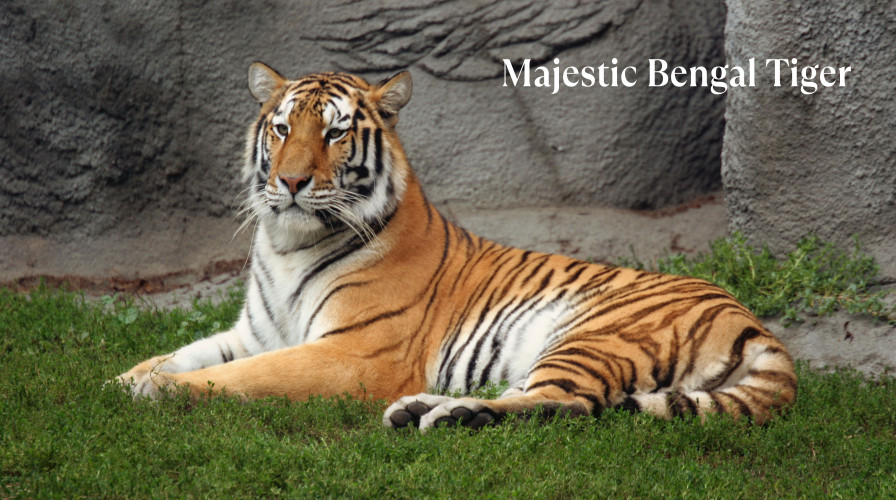
The Bengal tiger, India's national animal and a symbol of strength and grace, faces a precarious existence in the wild. Once widespread across the Indian subcontinent, habitat loss, poaching, and human-wildlife conflict have significantly threatened its population. Today, concerted conservation efforts are crucial to ensuring the survival of this iconic species.
The Plight of the Bengal Tiger
The Bengal tiger (Panthera tigris tigress) is one of the largest and most powerful big cats in the world. Known for its distinctive orange coat with black stripes and muscular build, the tiger once roamed freely in diverse habitats from mangrove swamps to dense forests. However, relentless human activities have pushed these majestic creatures to the brink of extinction.
Conservation Initiatives
In response to the alarming decline in tiger populations, India has implemented ambitious conservation initiatives. The government, along with conservation organizations and local communities, has established tiger reserves and protected areas across the country. These reserves provide safe havens where tigers can thrive without the threat of poaching or habitat destruction.
Project Tiger: Launched in 1973, Project Tiger is one of the most successful wildlife conservation programs in the world. Its primary objective is to ensure a viable population of Bengal tigers in their natural habitats and to protect them from extinction.
Tiger Reserves: India is home to over 50 tiger reserves, spread across different states. These reserves are carefully managed to provide suitable habitat for tigers and other wildlife, ensuring the preservation of biodiversity.
Community Involvement: Conservation efforts also involve local communities living around tiger reserves. Initiatives such as eco-tourism, sustainable livelihoods, and awareness programs help foster community support for tiger conservation and reduce human-wildlife conflict.
Challenges and Threats
Despite these efforts, Bengal tigers continue to face numerous challenges to their survival:
Habitat Loss: Deforestation, encroachment of human settlements, and infrastructure development fragment tiger habitats, making it difficult for populations to thrive.
Poaching: Tigers are illegally hunted for their skins, bones, and other body parts, which are highly valued in traditional medicine and black markets.
Human-Wildlife Conflict: As tiger habitats shrink, encounters between tigers and humans become more frequent, leading to conflict over resources and occasionally resulting in attacks on livestock or humans.
Conservation Success Stories
Despite these challenges, there have been notable successes in tiger conservation:
Increase in Population: India's tiger population has shown a promising increase in recent years, thanks to rigorous monitoring and conservation efforts.
Reintroduction Programs: Initiatives to reintroduce tigers into suitable habitats where they had been locally extinct have shown positive results.
International Collaboration: India collaborates with global conservation organizations and other tiger-range countries to share knowledge and resources for tiger conservation.
Looking Ahead
The future of the Bengal tiger hinges on continued commitment to conservation efforts. It requires sustained funding, strengthened law enforcement against poaching, expansion and connectivity of protected areas, and innovative strategies to mitigate human-wildlife conflict. Education and awareness among local communities and the general public are also vital to garnering support for tiger conservation.
Conclusion
The Bengal tiger is not just a symbol of India's natural heritage but a crucial indicator of the health of our ecosystems. Protecting tigers and their habitats benefits countless other species and ensures the balance of nature. As we strive to secure a future for these magnificent big cats, every step taken towards conservation brings us closer to preserving a legacy for generations to come.
Conserving the Bengal tiger is not just a moral imperative but a responsibility to future generations, ensuring that they too can witness the awe-inspiring sight of a tiger in the wild.
Related Tag :